
Mezcal culture / By Julia G
After sunset on October 31, Oaxaca City’s Panteón General is lit almost entirely by candles, one at the foot of every grave. Between the marigolds and the pan de muerto, you will often spot a bottle of mezcal, set out for someone who has traveled a very long way to be there.
This year the season feels different for us. We lost a loved one earlier this year, and this is the first Day of the Dead since she passed. So we wanted to explain, as carefully as we can, why a holiday about death is one of the most joyful things Mexico does, and why a glass of mezcal sits at the center of it.
What Day of the Dead is
Day of the Dead is a celebration of the people who came before you and shaped your life, directly or indirectly, and of the loved ones we have lost.
It is part reunion, part party, part remembrance: music, food, flowers, stories and a lot of laughter, all held with deep respect.
Families help the souls find their way by laying flower petals, candles and offerings along the path between the cemetery and the home.
The celebration is a blend of two worlds:
- Pre-Hispanic beliefs about death, and
- The Catholic feasts of All Saints (November 1) and All Souls (November 2) that arrived with the Spanish.
In Oaxaca it is usually celebrated from October 31 through November 2, and in some places the festivities stretch to November 6. Children (the angelitos) are generally welcomed first, then the adults, though the exact timing changes from town to town.
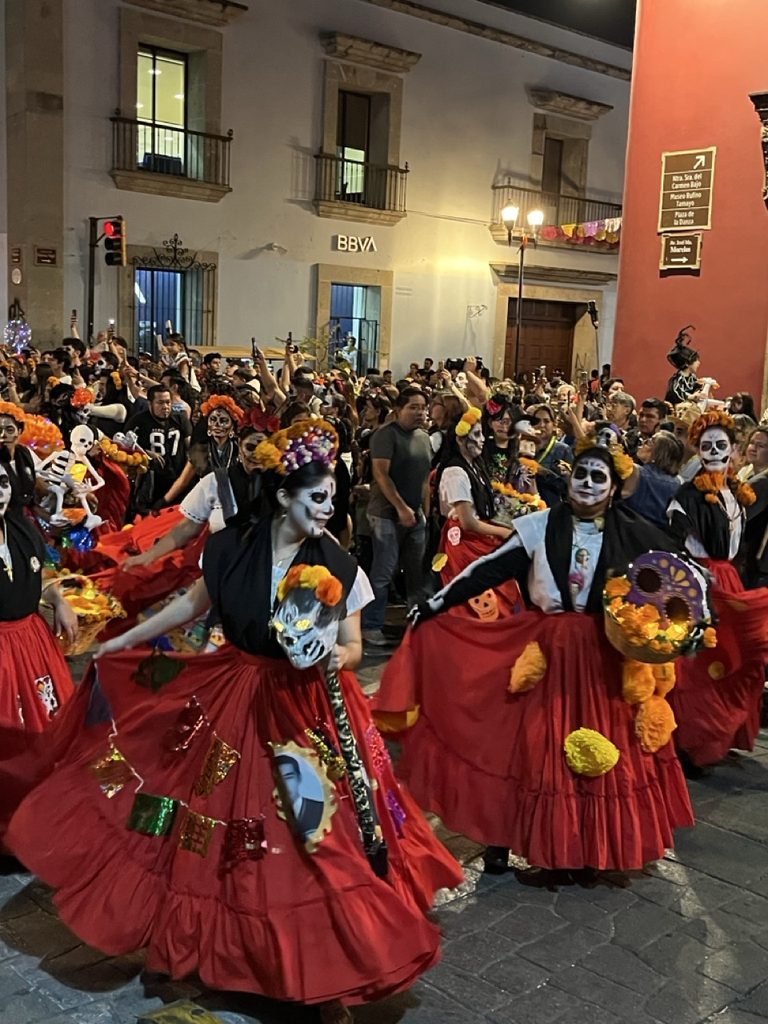
Day of the Dead celebrations in Oaxaca Center are lively
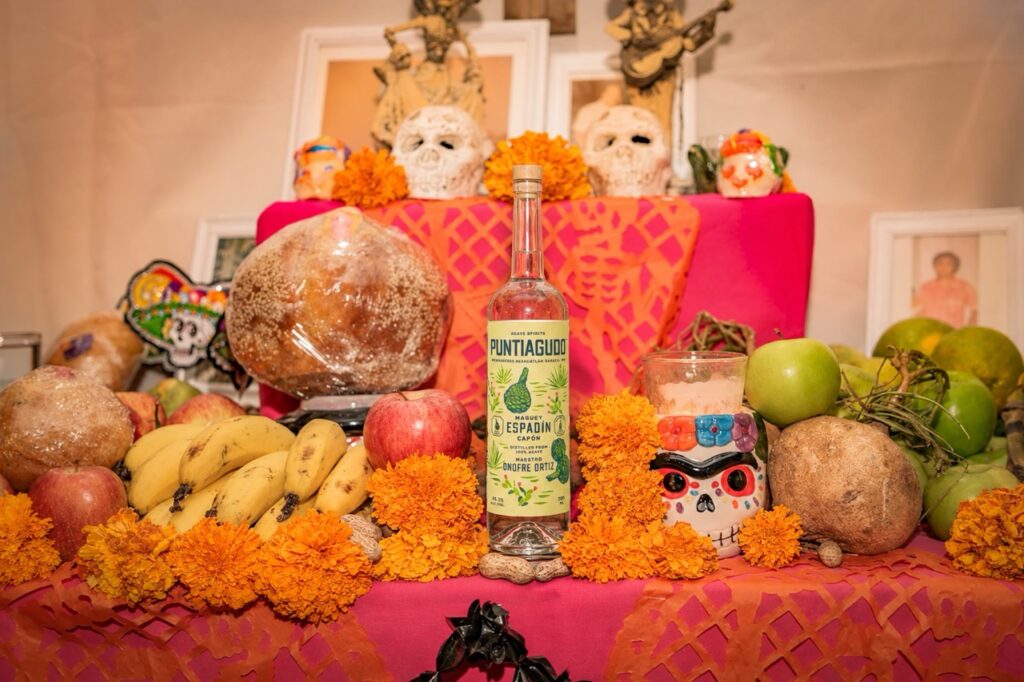
Why is there mezcal on the altar?
Because an ofrenda is not just a decoration– It is a table set for guests who are returning from their resting place to come and visit their loved ones.
Families build it around the person being remembered: a photo, flowers, candles, copal or incense, fruit, mole, pan de muerto, and whatever that person loved to eat and drink. In Oaxaca, that very often includes mezcal. Why?
There are a few reasons:
- The dead are thirsty. We believe spirits have just made a long journey from the realm of the dead, and they arrive hungry and thirsty.
- Mezcal is part of almost every Oaxacan ritual. Births, weddings, harvests, saints’ days. It would be strange for the biggest family gathering of the year to leave it out.
- It is slow, like memory. An agave takes many years to mature before it is cooked, fermented and distilled. A bottle holds a lot of time, which suits a holiday about time and the people who are still with us in some form.
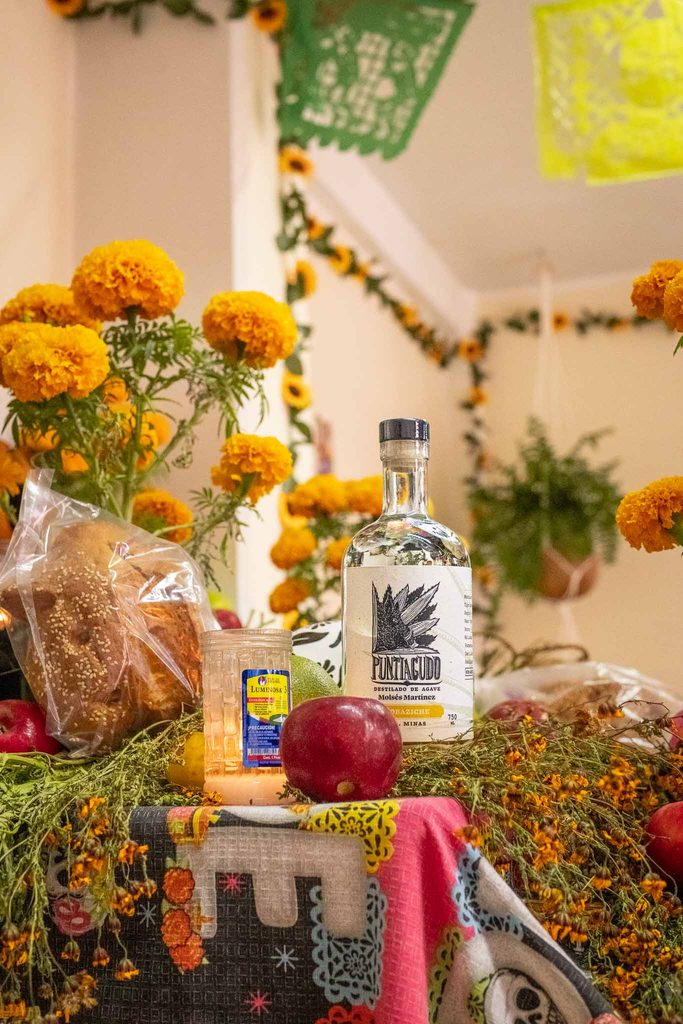
Our Day of the Dead altar with cempasúchil.
How Oaxaca City and its surrounding towns celebrate
Oaxaca City
The city turns into a street party with a serious heart. Cemeteries fill with families on the night of October 31 and stay lit late into the next morning. Brass bands lead comparsas (costume parades with dancing, catrinas, devils and, yes, plenty of mezcal) through the center and neighborhoods like Jalatlaco. The markets overflow with marigolds, pan de muerto and sugar skulls, and streets and plazas host monumental altars and sand tapestries.
Oaxaca City cemetery, full of flowers during these days. The sweet smell carries for blocks beyond the commentary walls.
Santa Catarina Albarradas
About Albarradas: Albarradas is in Oaxaca’s Sierra Norte, a town of roughly 500 people at the end of a rocky, unpaved road. Its name comes from the stone ramparts that Indigenous people once built for defense, which the Spanish called albarradas. Its mezcal is made in locally built clay pots of 70 to 100 liters, a tradition upheld for more than three generations…
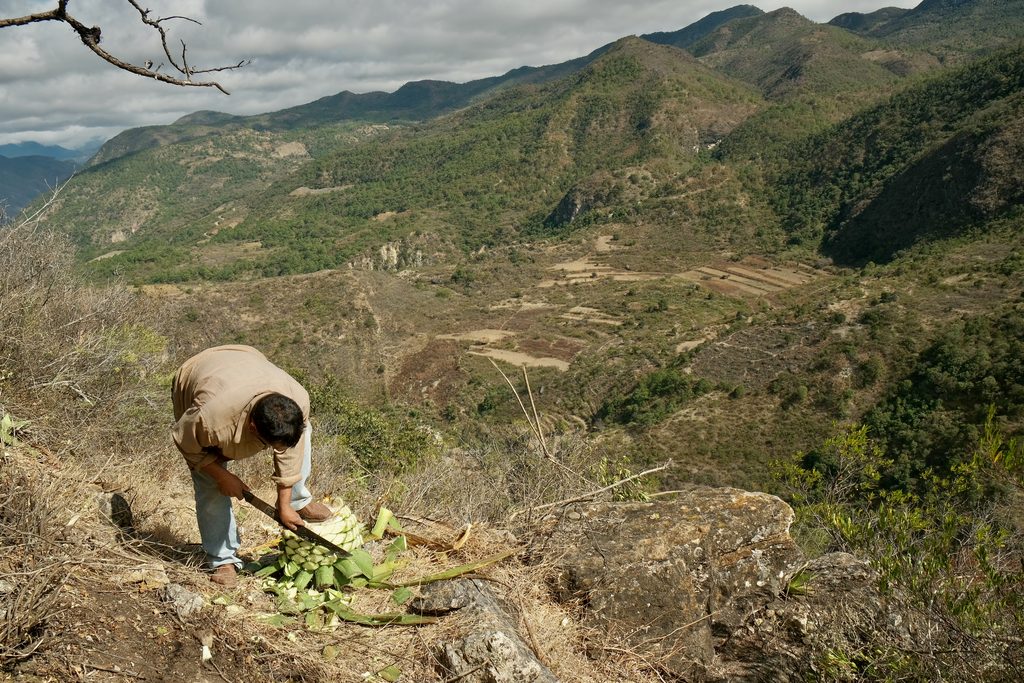
Adolfo, the son of Ruben, who is one of the maestros from Albarradas we work with at Puntiagudo Spirits, walked us through how the Day of the Dead festivities are celebrated in his town:
October 31: It is traditional to eat a family meal with pork.
November 1: In the morning the town bell rings to tell the “fieles difuntos“, the faithful departed, that it is time to eat, and it rings again for lunch and dinner. Families leave food out for them at each of those three meals. “Caldo de res” or beef broth is on the menu.
November 2: “Caldo de pescado “(fish broth) or “frijoles con tasajo” (beans with dried beef) is on the menu, and the bell rings three times again. People walk from their homes to the cemetery carrying baskets of fruit and other goods, so the spirits can take the food back with them easily.
…And then, of course, there is a party. Adolfo says that in the old days a big band was the heart of the celebration. It went from house to house spreading the festivities, and the whole thing revolved around drinking mezcal. Sadly, this tradition full of music is slowly being lost. All the more reason to share these stories to keep these traditions alive.
It is customary for the extended family to show up at a relative’s house with a bottle of mezcal to convivir, to spend time together and drink with the living and with the dead. In other words, a big party with family.
Santa Catarina Minas
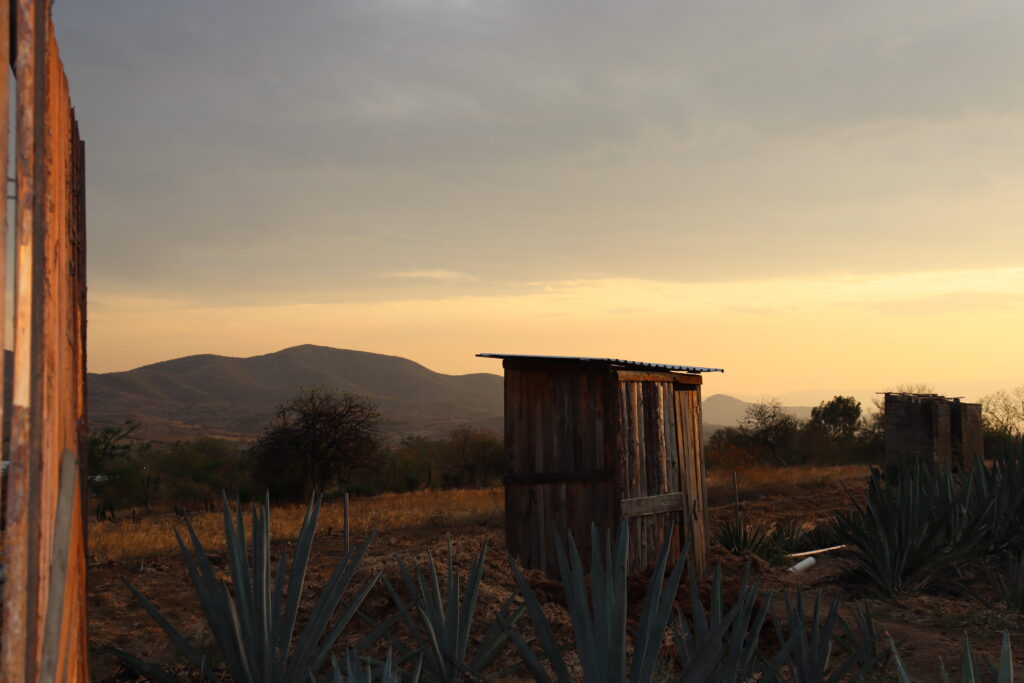
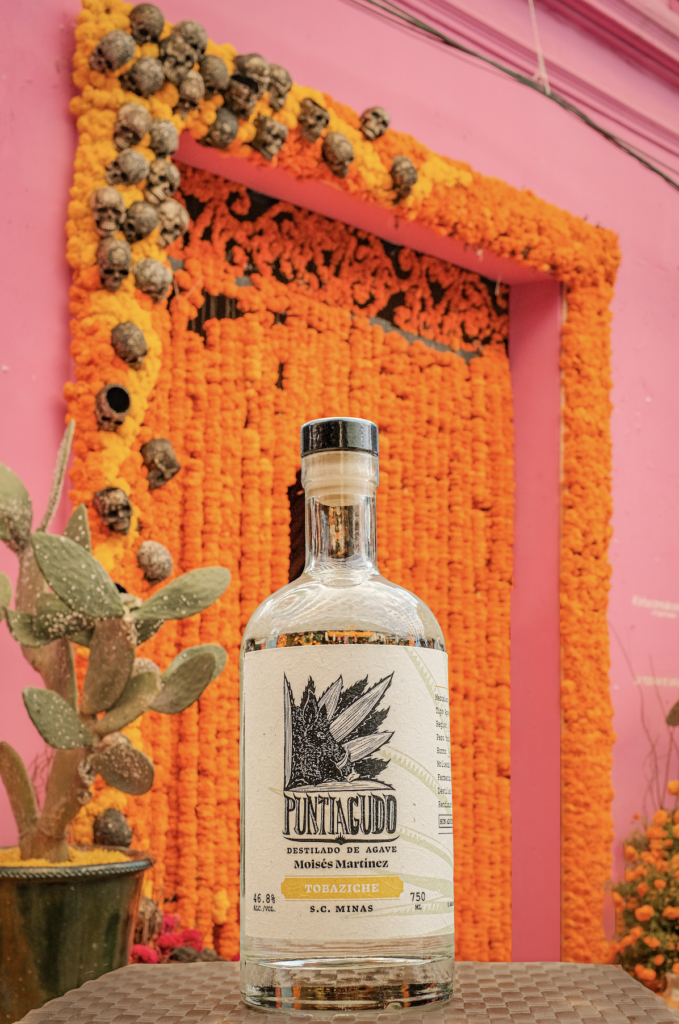
About Minas: About 40 km from Oaxaca City, Santa Catarina Minas is known as the Cradle of Mezcal. Many of its palenques still work the old way: agave is milled by hand with wooden mallets and distilled in clay pots holding 80 to 100 liters. The town takes its name from Saint Catherine of Alexandria and from the metals once mined nearby.
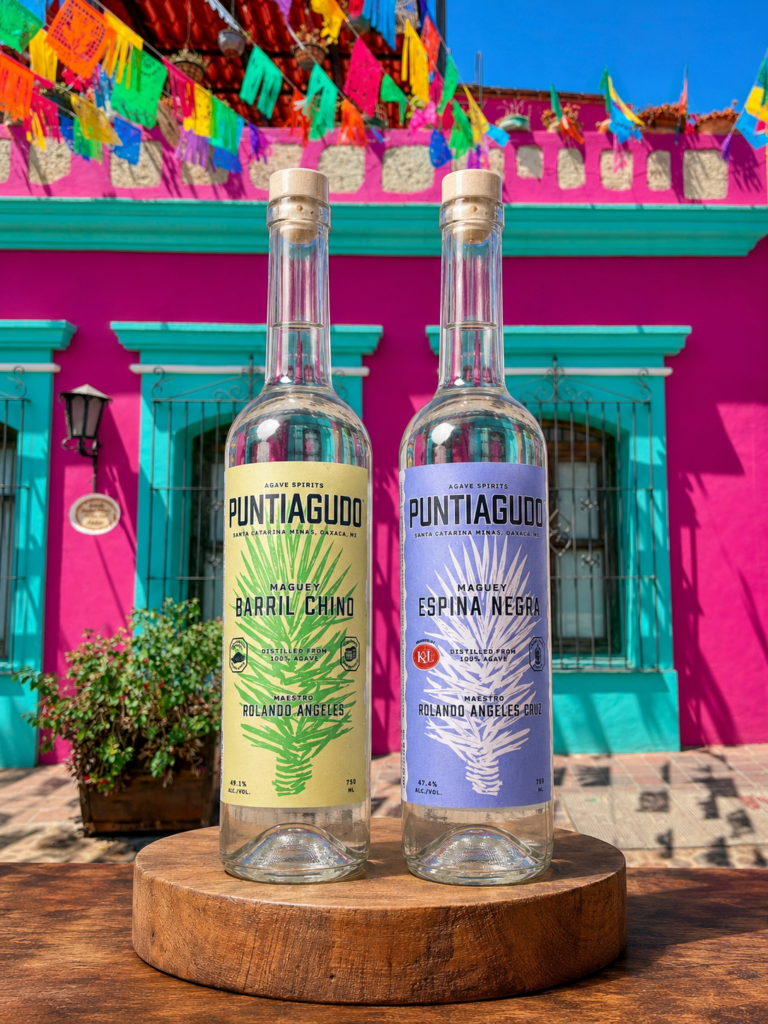
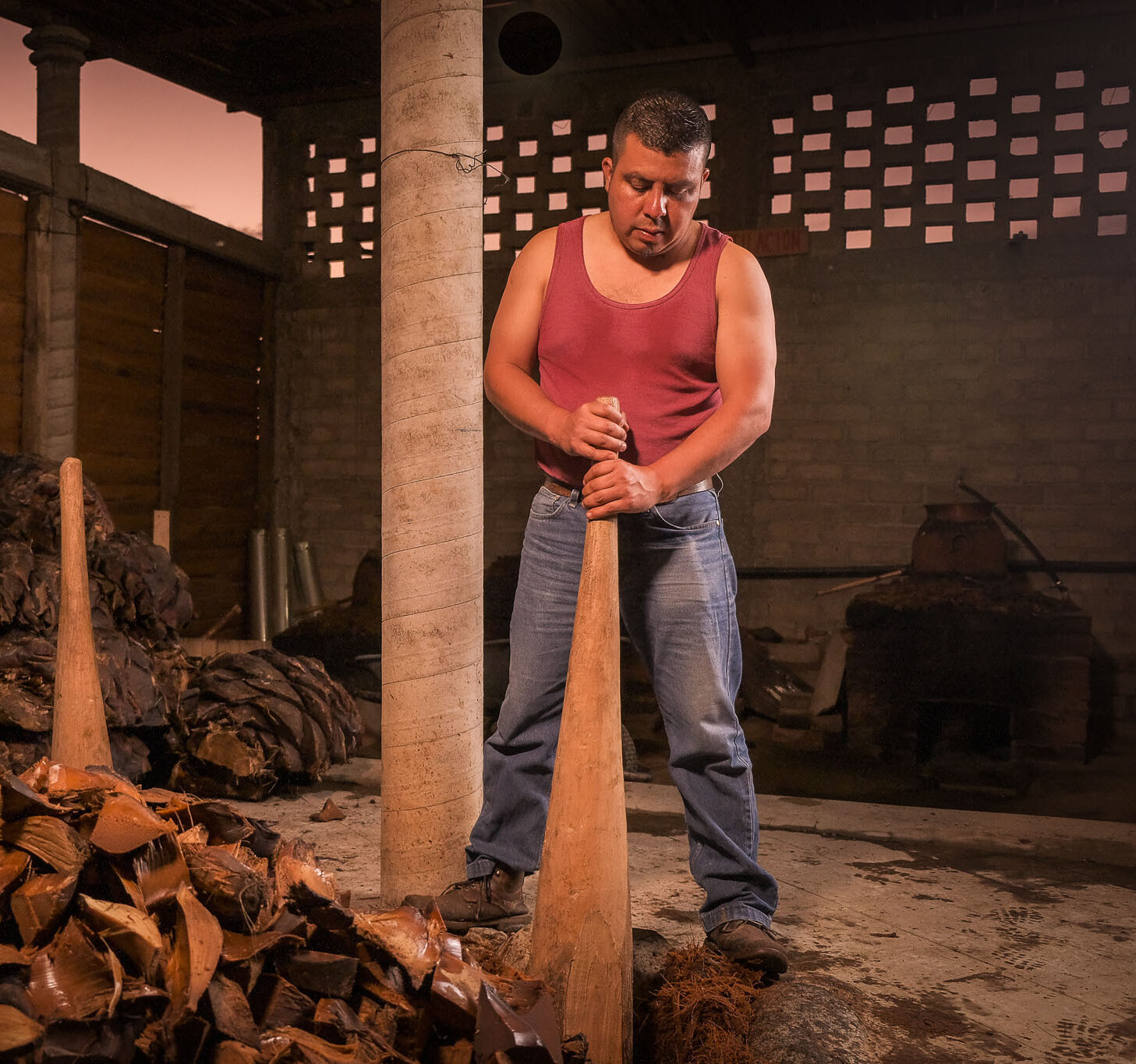
We asked Rolando, a maestro from Minas we work with, how celebrations take place in his hometown:
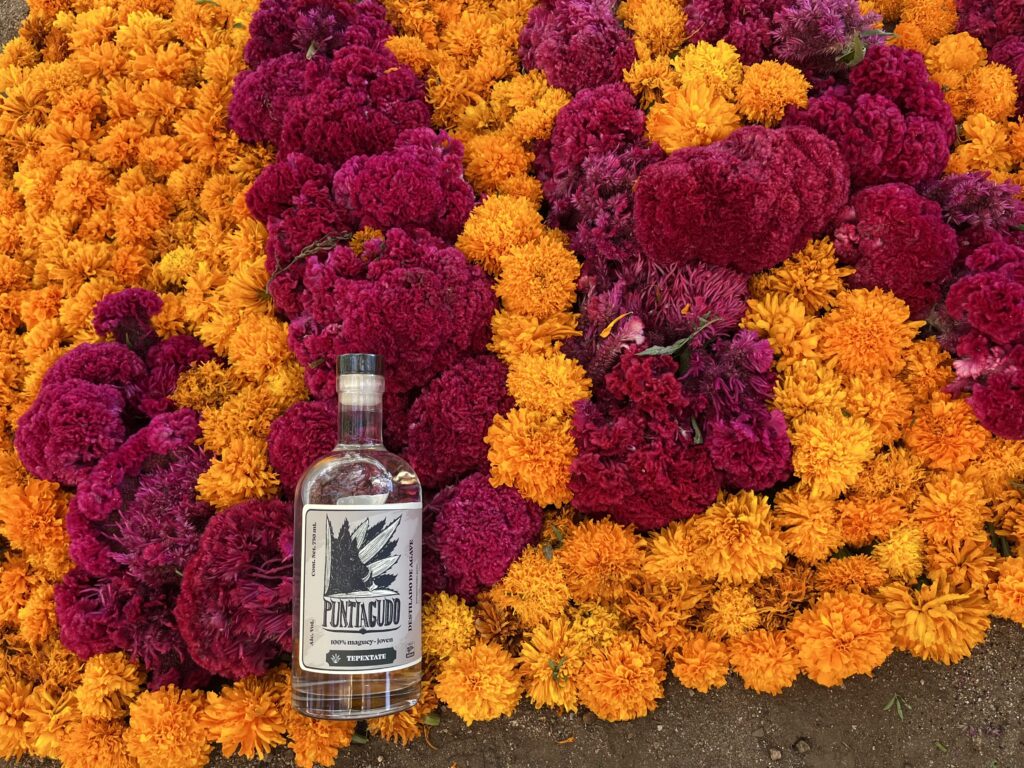
November 1 & 2: These days are for visiting the panteón, the village cemetery. Families bring cempasúchil (marigolds) and flor de gallo (cockscomb) to the graves and set them in vases on each tomb. They also tidy the dirt and straighten the crosses, caring for the resting place the way they would a home.
Building the Altar: On Nov. 1st, families also build the altar. It is crowned with an arch of carrizo (river cane) or sugar cane, decorated with flowers and tejocotes (a small native fruit). The offerings include walnuts, peanuts, apples, bananas, oranges, sweets, pan de muerto, chocolate, mezcal, mole, and more tejocotes. Copal incense is burned, and the door is left open so the souls of the departed can come in and take the aromas and essences of the altar with them.
After the cemetery visit, relatives gather to share a meal: rich mole made with turkey or gallina criolla (chicken), served with tamales and chocolate. And of course, chocolate with pan de muerto.
Why is the connection to the spirits so strong in Oaxaca?
In addition to a deeply rooted relationship with the dead dating back to the ancient Zapotecs—who lived alongside their deceased by burying them beneath their floors—there is a geographical tie to an important Zapotec burial site:
Mitla: the town named for the dead
About 40 km southeast of Oaxaca City, sits Mitla, and its name explains a lot.
Mitla comes from Mictlán, the Nahuatl word for the place of the dead, the realm Oaxacans say spirits travel back from every year. The Zapotec called the site Lyobaa, usually translated as “place of rest.”
The Zapotecs saw Mitla as a gateway between the world of the living and the world of the dead, and they buried their elite there, in cross-shaped tombs beneath palaces whose walls are covered in geometric mosaics of thousands of cut stones, a style found nowhere else in Mexico.
The Spanish later built the Church of San Pablo on top of Zapotec structures. Local legend says it stands over the entrance to an underground labyrinth leading to Mictlán, and archaeologists from INAH’s Lyobaa Project, using ground-penetrating radar and other geophysical methods, have reported buried architectural complexes and corridors beneath the site.
The Zapotecs treated Mitla as a doorway, and the celebrations in Oaxaca are ever so presently tied to this geographic location with deep connections to the spiritual passage of the dead.
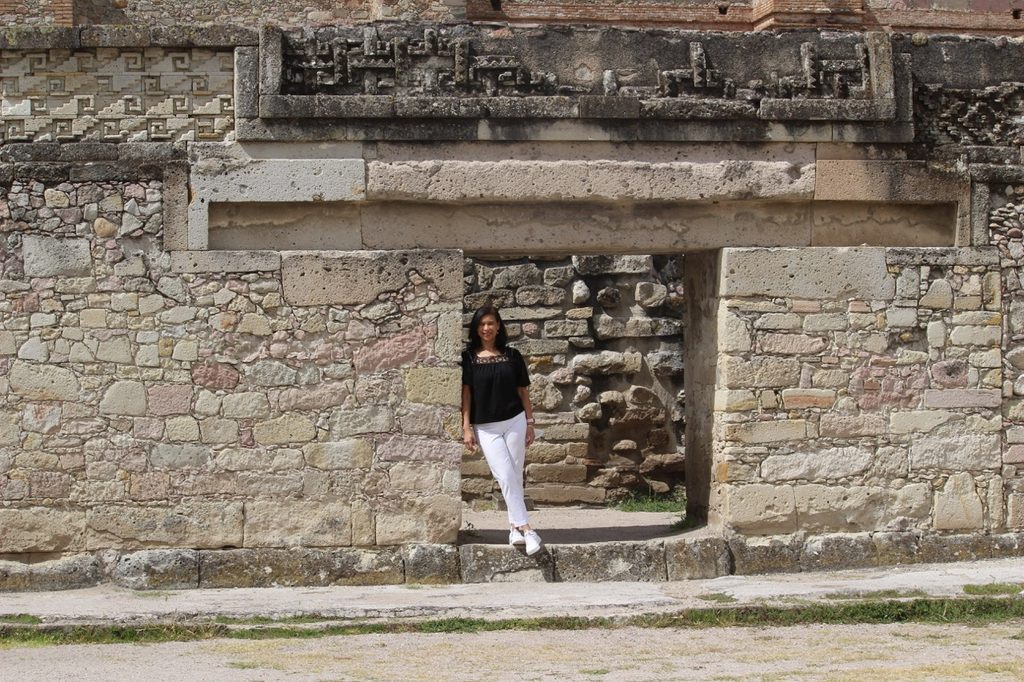
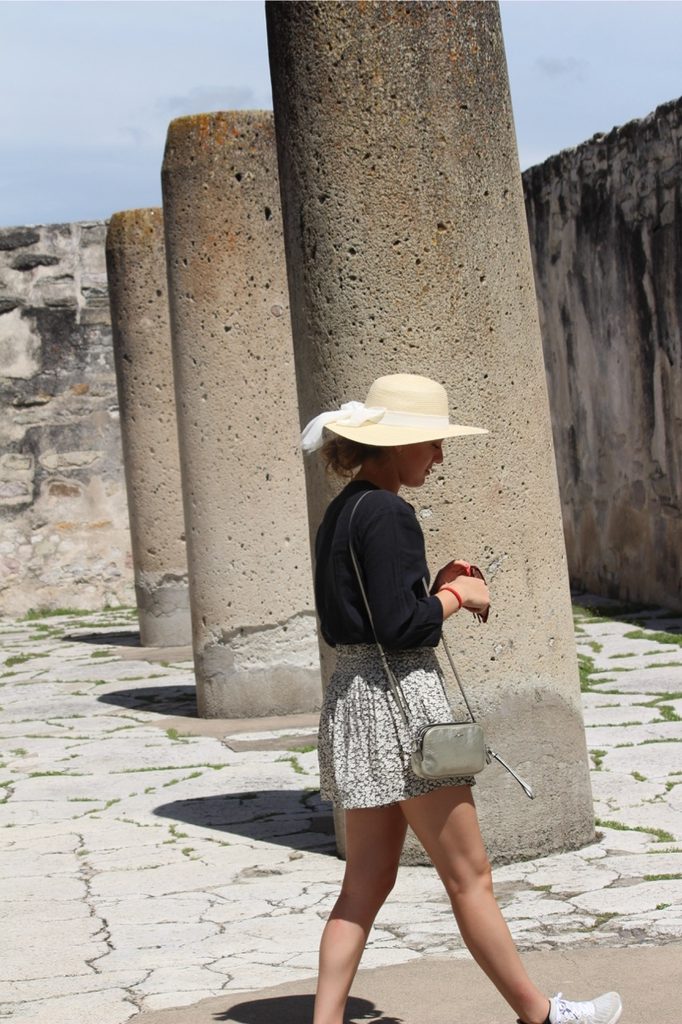
Mitla.
Top 5 questions about Day of the Dead
1. When is Day of the Dead?
Officially November 1 and 2, but many celebrations begin on the night of October 31, and in parts of Oaxaca they continue through November 6. Spirits are said to return at midnight, which is why the eve is already a festival.
2. Is it the same as Halloween?
No. They share a time of year and some imagery, but Day of the Dead is a family celebration of remembrance rooted in Indigenous and Catholic traditions. The mood is warm and festive, not scary.
3. Why is mezcal part of the altar, and how do you drink it?
It is offered to the dead as a favorite drink and shared among the living as a toast. Mezcal is traditionally sipped slowly, in small cups, with food and conversation. Pour a little extra for the person you are remembering, and keep the stories going.
4. What goes on an ofrenda, and what does it mean?
A photo of the person; cempasúchil (marigolds), whose color and scent help guide souls; candles and copal or incense; food and drink they enjoyed; pan de muerto; and sugar skulls. Many Oaxacan altars also feature an arch made of sugarcane. Nothing is rigid: the best altar is the one that feels like the person.
5. How can I build an altar or ofrenda at home?
Start with someone you want to remember: a grandparent, a mentor, a friend, anyone who shaped your life. Put their photo up, add candles, flowers, water, their favorite food and drink, and tell a story about them as you set it up. Then invite people over, put on their music, and make it a celebration.
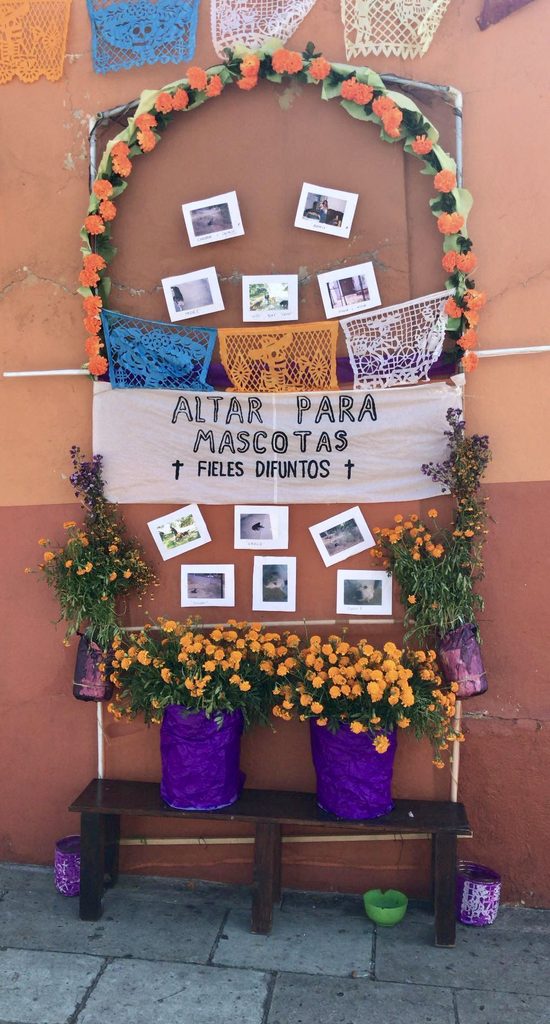
An altar can look different for everyone, the point is to remember. Look at this one, its for loyal pets who are missed.
Raise a glass
At its heart, Day of the Dead is the culture of remembering the people who came before you, the ones who shaped your life directly or indirectly, and the ones we have lost.
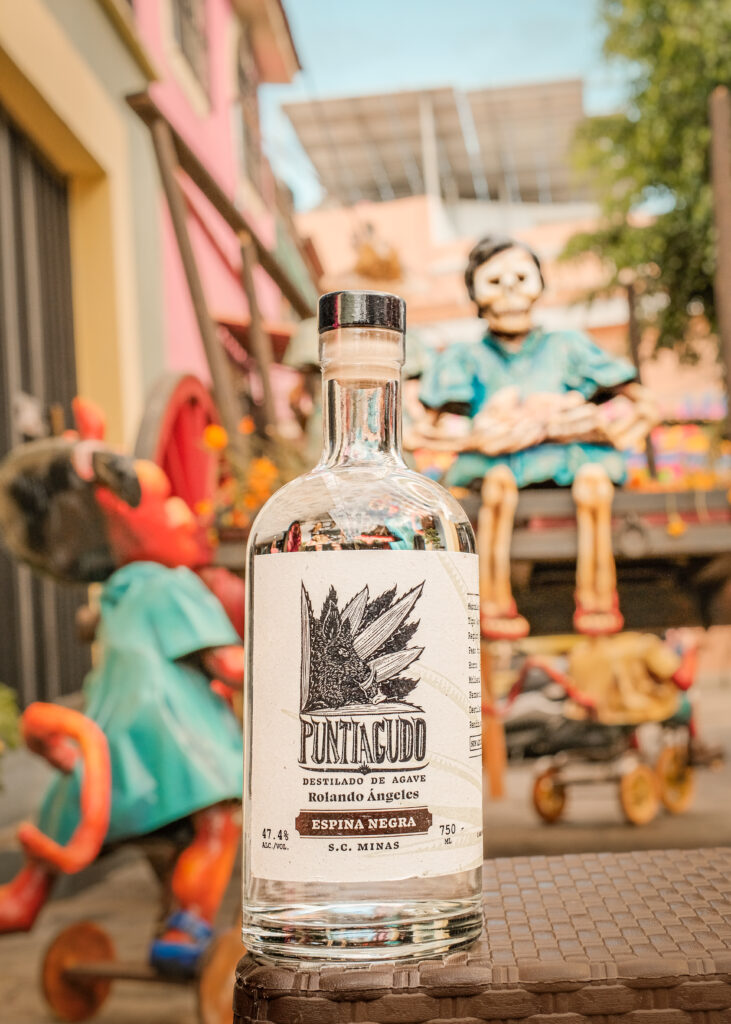
We love sharing it. Our destilados de agave come from maestros across Oaxaca, including Santa Catarina Minas, and the people behind them are part of why this season matters to us. If you set an ofrenda this year, invite people over, tell the stories, and pour something worth remembering someone by.
Please enjoy responsibly.